

TW3 house rubbish clearance tips for end of tenancy
Posted on 28/05/2026
TW3 House Rubbish Clearance Tips for End of Tenancy
If you are moving out in TW3, the last thing you want is a rushed end-of-tenancy clear-out turning into a deposit headache. Boxes pile up, drawers hide random bits, and somehow the bin bags multiply overnight. It happens. The good news is that a sensible approach to TW3 house rubbish clearance tips for end of tenancy can make the whole move feel calmer, faster, and far less stressful.
This guide walks you through what to remove, how to sort it, when to book help, and how to avoid the small mistakes that often cost tenants money. Whether you are leaving a flat near Hounslow High Street, a family house, or a shared property, the same basic principle applies: clear properly, leave the place tidy, and make the handover easy. Simple enough in theory. A bit more fiddly in real life.
To make things easier, we have also linked to a few helpful pages on our site where relevant, including our services overview, house clearance in Hounslow, and our recycling and sustainability approach.
Why TW3 house rubbish clearance tips for end of tenancy Matters
End-of-tenancy clearance is not just about getting rid of "stuff". It is about leaving the property in a condition that feels fair, tidy, and ready for inspection. In TW3, where rental homes can be compact, shared, or fully furnished, clutter builds up quickly. One spare wardrobe, three broken chairs, a trolley of old paint tins, and suddenly the place looks far more neglected than it really is.
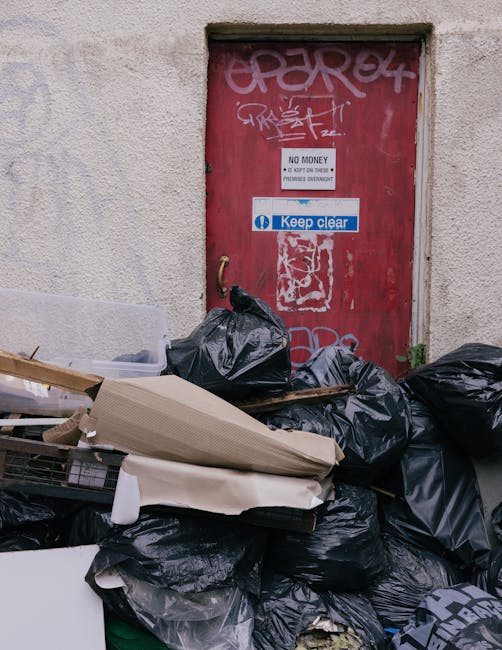
For tenants, the main reason this matters is the deposit check. Landlords and letting agents usually look for a property that has been emptied, swept through, and left with no abandoned rubbish. If there is bulky waste in the garden, old furniture in the hallway, or bags left in the loft, it can create avoidable friction. To be fair, no one wants a tense final walk-through on a wet Thursday afternoon with everyone waiting by the front door.
It also matters because end-of-tenancy timing is often tight. You may be packing, cleaning, arranging removals, and handing keys back within the same 24 to 48 hours. A good clearance plan saves you from last-minute panic and helps you focus on the handover itself. That is the real win here: less chaos, fewer surprises, cleaner exit.
There is another benefit that gets overlooked. If you sort waste properly, you can often separate reusable items, recyclable materials, and genuine rubbish more efficiently. That makes the process cleaner and, in many cases, more cost-effective. It also aligns with the responsible disposal standards discussed on our recycling and sustainability page.
How TW3 house rubbish clearance tips for end of tenancy Works
The process is straightforward once you break it into stages. First, identify what must leave the property. Then sort it into practical groups: keep, donate, recycle, dispose, and specialist waste. After that, remove the items in the most efficient order so you do not keep moving the same thing around twice. Sounds obvious. Still, people do it backwards all the time.
Most end-of-tenancy clearances in TW3 follow the same pattern:
- Walk through each room and list what needs to go.
- Separate rubbish from reusable belongings and anything that may belong to the landlord.
- Prioritise bulky items first, because they are usually the hardest to move.
- Bag and box smaller waste so it can be carried out quickly and safely.
- Check awkward spaces such as lofts, under beds, cupboards, shed areas, and behind appliances.
- Arrange disposal through a suitable service if the waste is too much for ordinary collection.
If you need a broader solution rather than just a few bin bags, a dedicated waste clearance service in Hounslow can be the cleaner option. For larger, furniture-heavy moves, furniture disposal may be more practical than trying to shift everything yourself. And if the property has a lot of stored items, loft clearance can save you from missing the stuff nobody remembers until the last minute.
In practice, the best results come from matching the method to the amount of waste. A few black bags? Fine, that may be manageable. A full two-bed flat with a bed frame, shelves, garden waste, and assorted bits from the cupboard of doom? That needs a more organised approach.
Key Benefits and Practical Advantages
When done properly, end-of-tenancy rubbish clearance has benefits beyond simply "making space". The biggest one is peace of mind. Once the unwanted items are gone, the property instantly looks more cared for. That matters whether you are leaving a studio, a family home, or an investment property being prepared for new tenants.
Here are the main advantages:
- Better chance of a smooth check-out: fewer issues during inventory or final inspection.
- Less moving-day stress: one less job competing for your attention.
- Cleaner rooms for deep cleaning: cleaners can work faster when floors and surfaces are clear.
- Safer lifting and carrying: fewer trip hazards, fewer awkward last-minute lifts.
- More responsible disposal: items can be sorted for reuse or recycling where possible.
There is also a financial angle. A rushed, unplanned clearance often leads to multiple trips, parking frustration, and wasted time. If you are paying movers or taking time off work, those little delays can snowball. Compare that with a measured plan and a single collection slot. Much less faff.
For landlords and managing agents, a proper clearance protects the turnover schedule. If a property is emptied on time, cleaning, minor maintenance, and re-listing can all happen without delay. That is why many property owners reading about purchasing property in Hounslow or smart investments in Hounslow also pay attention to clearance logistics. The turnover matters as much as the viewing.
| Approach | Best for | Strengths | Limitations |
|---|---|---|---|
| DIY bag-and-trip clearance | Small amounts of light waste | Low cost, flexible timing | Time-consuming, physically tiring |
| Mixed DIY plus hired help | Medium-sized clear-outs | Balanced cost and convenience | Still needs good planning |
| Professional house clearance | Bulky, mixed, or urgent waste | Fast, efficient, less lifting for you | Higher upfront cost than DIY |
Who This Is For and When It Makes Sense
This kind of clearance advice is useful for a fairly wide group of people in TW3. Obviously, tenants are the main audience. But they are not the only ones. Let's say you are moving from a rented terrace and you have old furniture in the spare room, a broken desk in the hallway, and garden waste tucked beside the shed. That is exactly the sort of situation where the right clearance plan saves a headache.
It also makes sense for:
- Tenants in a hurry who need the property ready by a fixed move-out date.
- Shared households where different people have left different items behind. That gets messy fast, truth be told.
- Private landlords preparing for re-let after a tenancy ends.
- Letting agents managing property turnover and pre-cleaning work.
- Families relocating locally who want to avoid dragging unwanted items to the new place.
It is especially sensible when the property includes bulky items, loft storage, garden waste, or old furnishings that are not worth moving. If your move is part of a wider life change, such as helping clear a relative's home, our guide on approaches to a relative's items may also be helpful because the emotional and practical decisions can overlap.
One small but important point: if you are only dealing with a couple of bags, you may not need a full-service clearance. But if you are asking yourself, "Why does it still look full after packing for two days?" then yes, it probably makes sense to get proper help.
Step-by-Step Guidance
Here is a practical way to handle end-of-tenancy rubbish clearance without spinning in circles. Keep it simple. Keep it visible. Keep moving.
1. Start with a room-by-room sweep
Do not begin by grabbing random bags and hoping for the best. Walk through each room with a notebook or phone list. Check wardrobes, drawers, behind doors, under sinks, loft access, storage cupboards, and any shared areas. In many properties, the forgotten items are not in the obvious places. They are in the "I'll deal with that later" places.
2. Separate personal items from rubbish
Mixing sentimental items with disposal waste is a mistake that creates stress. Put valuables, documents, keys, chargers, and anything you might need later into a separate box first. Then deal with the waste. This tiny habit saves people a surprising amount of grief. I have seen people nearly throw out passports, spare house keys, even a memory box. Not ideal.
3. Identify bulky items early
Mattresses, wardrobes, broken tables, bed frames, and sofas take the most effort. If you leave them until the end, they dominate the final hour and can block access for cleaning. Mark them early and decide whether they are being reused, donated, or removed. If not, arrange a suitable collection route.
4. Bag and bundle smaller waste
Small waste may look harmless until you are standing in a hallway at 10 pm with six overfilled bags and nowhere to put them. Bag it neatly, label what is recyclable if needed, and keep a clear path to the exit. Cardboard should be flattened, glass packed safely, and loose bits gathered together. It just makes the final clean-out more manageable.
5. Deal with special waste separately
Paint tins, electrical items, batteries, chemicals, and some garden products should not be treated like ordinary rubbish. If you have any of those, set them aside for specialist handling or ask for guidance. Never mix them casually into general waste. It is not worth the risk or the hassle.
6. Book the right disposal method
If you need help with the final removal, choose a service that fits the volume and type of waste. A household with mixed clutter may need a broader house clearance service, while smaller mixed loads may suit rubbish collection in Hounslow. If the job includes heavy or broken items, mention that upfront. It saves everyone a surprise on the day.
7. Do a final pass before handover
When the waste is gone, walk through again. Open cupboards. Check windowsills. Look in the loft hatch, shed, and under beds. It is always the last little item that trips people up: one cable, one lamp, one forgotten broom handle. Annoying, yes, but fixable.
Expert Tips for Better Results
Here is where the practical difference really shows. A lot of end-of-tenancy clearance problems come from poor sequencing, not lack of effort. If you plan the order properly, the whole job feels lighter.
- Clear bulky items first: once the large items are gone, the property feels half-empty and easier to clean.
- Leave one "go box" near the door: put tools, bin bags, tape, labels, and a marker in one easy-to-find place.
- Take photos before and after: useful for your own records if there is any dispute about condition.
- Check hidden storage twice: loft spaces, under-stair cupboards, and high shelves are common culprits.
- Keep cleaning and clearance separate where possible: it is easier to clean a clear room than to clean around clutter.
One small local observation: if your move-out falls on a damp London morning, cardboard gets soggy quickly and becomes awkward to carry. Get the paper and packaging out early if rain is likely. Not glamorous advice, but genuinely useful.
If you are comparing service providers, it is worth looking beyond the headline price and checking whether the team is set up for safe loading, responsible disposal, and clear communication. Our insurance and safety page explains the kind of standards that matter when a job involves lifting, access issues, and mixed waste.
Common Mistakes to Avoid
End-of-tenancy rubbish clearance is simple enough in concept, but people still trip over the same issues. These are the ones that come up again and again.
- Leaving clearance until the final morning: this is the classic one, and it almost always creates avoidable stress.
- Assuming the landlord will remove everything: unless agreed in advance, do not rely on that.
- Mixing normal waste with restricted items: batteries, chemicals, and electricals need more care.
- Forgetting outside areas: gardens, sheds, balconies, and communal storage can all be checked at handover.
- Underestimating volume: three "small" piles can turn into a van-load quicker than you think.
- Blocking access routes: clutter in hallways slows everything else down and can be a safety issue.
Another one people miss: half-packed boxes still count as clutter. They may be tidy clutter, but they still need to go if they are not being moved with you. A room can look nearly empty and still fail the common-sense test. You know the feeling.
Tools, Resources and Recommendations
You do not need a massive toolkit for a clear-out, but a few practical items make life easier. Think of them as the moving-day basics, not fancy extras.
- Heavy-duty refuse sacks: useful for mixed household rubbish and soft items.
- Strong tape and labels: helps separate keep, donate, recycle, and dispose items.
- Marker pen: good for labelling boxes and bags clearly.
- Gloves: especially helpful if you are handling dusty loft items or broken furniture.
- Blanket or furniture pads: handy for protecting doorways if you are moving large items out.
- Phone camera: useful for before-and-after photos and reminder shots of awkward spaces.
From a service perspective, a few pages on our site may help you decide what you actually need. For example, pricing and quotes is useful if you want to understand how estimates are usually handled, and about us is helpful if you want a quick sense of how we work. If your clear-out has a lot of moving parts, the services overview is the best place to start.
And if you are dealing with outside waste as part of the move, such as old planters or overgrown bags from the garden, garden waste removal in Hounslow can be a neat add-on rather than a separate stress point.
Law, Compliance, Standards, or Best Practice
Without getting overly legal about it, there are a few common-sense compliance points worth keeping in mind. Tenants are usually expected to return a property in reasonable condition, which typically includes removing personal belongings and rubbish. The exact terms depend on the tenancy agreement and the property itself, so it is always wise to check what was agreed at the start and what the inventory says at the end.
Best practice in the UK also means disposing of waste responsibly rather than dumping it informally or leaving bags in communal areas. That includes using approved collection methods for bulky items and separating out items that require special handling. If you are unsure about the right route, ask before you move it. A quick question now is much easier than fixing a problem later.
For business and residential customers alike, it is sensible to work with services that follow clear operational standards, carry appropriate insurance where relevant, and handle waste with care. That is especially true when items are heavy, awkward, or potentially hazardous. Our terms and conditions and privacy policy pages are also there if you want to understand how bookings and information are managed.
Best practice, in plain English: do not guess, do not dump, and do not leave it to the last ten minutes if you can help it.
Options, Methods, or Comparison Table
Choosing the right end-of-tenancy clearance method depends on waste type, urgency, and how much you can realistically manage yourself. Here is a simple comparison to make that decision easier.
| Method | Typical use case | Pros | Cons |
|---|---|---|---|
| Self-clear with car trips | Small, light waste and a bit of spare time | Flexible and low cost | Multiple journeys, parking hassle, more lifting |
| Mixed self-clear and professional support | Medium-size flats or homes | Good balance of cost and convenience | Still requires preparation and sorting |
| Professional house clearance | Bulky furniture, urgent turnaround, full property clear | Fast and efficient, less physical effort | Usually more expensive than DIY |
| Targeted item removal | One or two large items only | Useful for sofas, wardrobes, or old beds | Not ideal for mixed clutter across the house |
In many TW3 move-outs, a targeted or mixed approach works best. Few people need everything removed. Most people need the awkward stuff gone, the bags cleared, and the property reset for inspection. That is the sweet spot.
Case Study or Real-World Example
Consider a typical two-bedroom rental in TW3. The tenants have packed their clothes, kitchenware, and electronics, but the property still contains an old mattress, a broken desk, several black bags of mixed rubbish, and some boxes in the loft. On paper, it seems manageable. In practice, it is a bit of a tangle.
The best outcome came from dividing the job into three passes. First, the tenants removed personal items and documents. Second, they grouped the remaining rubbish room by room and marked the bulky items separately. Third, they arranged professional collection for the mattress, desk, and bagged waste in one go rather than trying to deal with each item separately.
The difference was noticeable. Once the large items left, the flat looked cleaner immediately. The final sweep took less than an hour because the rooms were already clear enough to clean properly. And, just as important, nobody was trying to cram a desk through a narrow hallway while arguing about who owned the screwdriver. That sort of thing does happen. More than it should.
This is the real lesson: good clearance is not about speed alone. It is about order. If you get the order right, everything feels easier.
Practical Checklist
Use this checklist before you hand the property back. It is simple, but it catches the things people forget.
- All personal belongings removed from every room
- Wardrobes, cupboards, loft spaces, and under-bed areas checked
- Furniture marked for removal, donation, or reuse
- Bulky waste separated from general rubbish
- Electrical items, batteries, and special waste handled separately
- Garden, shed, balcony, and communal storage areas checked
- Bagged waste placed ready for collection or disposal
- Hallways and exits kept clear for safe lifting
- Floors swept and surfaces wiped once clutter is removed
- Final photos taken before key handover
Expert summary: The best TW3 end-of-tenancy clear-outs are the ones that feel boringly organised. Not dramatic, not frantic, just calm and complete. Clear the bulky items early, sort waste properly, and leave yourself one last check before the keys go back. That small bit of structure can save a lot of bother.
Conclusion
Good end-of-tenancy rubbish clearance in TW3 is really about making the handover easier for everyone involved. When you sort items early, separate waste sensibly, and choose the right removal method, the final inspection becomes far less stressful. You also give yourself a better chance of leaving on good terms and avoiding those awkward last-minute scrambles that nobody enjoys.
If your move is modest, you may only need a tidy sort-out and a few bags removed. If the property is fuller than expected, or you are dealing with furniture, loft items, or mixed waste, a more complete clearance is usually the smarter route. There is no prize for doing it the hardest way possible, after all.
Get a free quote today and see how much you can save.
And if you are still in the planning stage, take ten quiet minutes with a cup of tea, walk through the property once more, and write down what is actually left. That one calm look around can make all the difference.


 Tipper Van - Rubbish Removal and Waste Disposal Prices in Hounslow, TW3
 Luton Van - Rubbish Removal and Waste Disposal Prices in Hounslow, TW3

