

Osterley Park garden waste removal and recycling in Hounslow
Posted on 05/06/2026
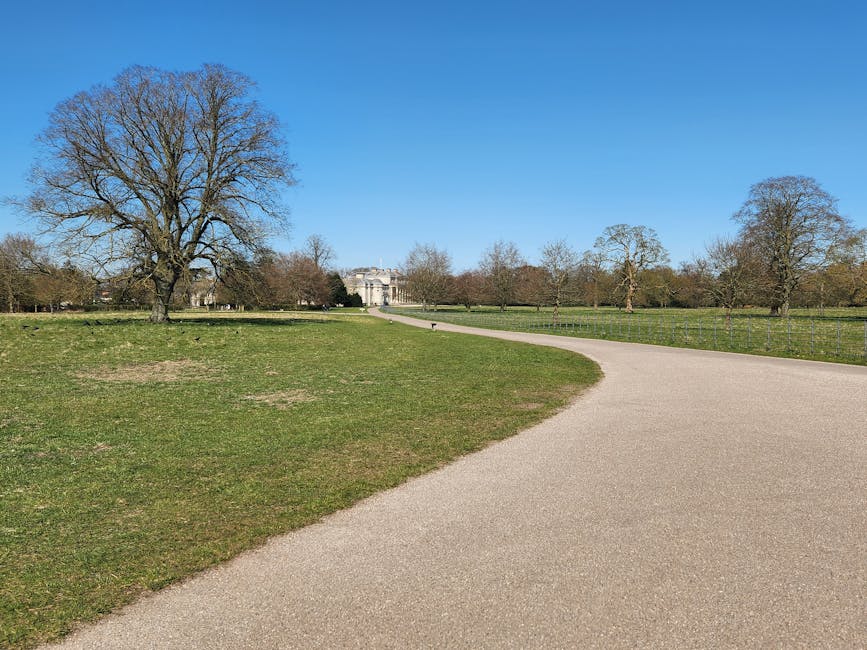
If you've ever stood in a garden after a big tidy-up and wondered what to do with the pile of branches, clippings, soil-filled bags, and the odd broken planter, you already know the problem. Osterley Park garden waste removal and recycling in Hounslow is not just about getting rid of green waste quickly; it's about doing it properly, keeping things tidy, and making sure as much as possible is reused, composted, or recycled rather than dumped carelessly. That matters here because gardens in and around Osterley can generate a surprising amount of material, especially after seasonal pruning or a thorough clearance.
This guide walks through how the process works, what can be recycled, common mistakes to avoid, and the practical decisions that make the whole job smoother. You'll also find a checklist, a realistic comparison of options, and some local-minded advice to help you plan without the faff.
Why Osterley Park garden waste removal and recycling in Hounslow matters
Garden waste is deceptively simple. Grass cuttings look harmless, hedge trimmings seem manageable, and a few bags of leaves never feel like much. Then the pile grows. Add in soil, roots, old turf, branches, damaged garden furniture, and the occasional half-rotted planter, and suddenly the job becomes a serious clearance task.
In Osterley, where many homes and green spaces sit within a busy west London setting, timely garden waste removal helps keep outdoor spaces usable and pleasant. It also reduces the temptation to overload household bins, leave bags outside for too long, or mix green waste with rubbish that really should be handled separately. To be fair, once you've got damp cuttings and muddy roots in one corner of the patio, the whole space starts to feel smaller and a bit grim.
Recycling matters just as much as removal. Garden waste can often be diverted into composting or other forms of recovery, while clean wood, metal, and certain garden materials may be separated for recycling. That's the real value here: not simply shifting waste out of sight, but moving it through the right route. If you want the broader picture of how waste is handled responsibly, it can help to read about recycling and sustainability practices alongside the practical side of garden waste removal in Hounslow.
There's another angle too. A tidy, well-kept garden supports property value, day-to-day comfort, and even how a place feels when you step outside with a cup of tea on a grey morning. Small thing, maybe. But you notice it.
How Osterley Park garden waste removal and recycling in Hounslow works
The process is usually straightforward, though the details matter. A proper garden clearance starts with identifying what needs to go, separating reusable or recyclable items, and then arranging collection in a way that suits the amount and type of waste. Most jobs fall into a few familiar categories:
- Green waste: grass, leaves, hedge cuttings, plants, weeds, and small twigs.
- Woody waste: branches, prunings, fence offcuts, untreated timber, and roots.
- Mixed garden rubbish: broken pots, old planters, plant labels, plastic sheeting, empty compost bags, and worn-out outdoor bits.
- Bulky outdoor items: sheds sections, damaged garden furniture, broken parasols, or worn storage boxes.
What happens next depends on the condition and composition of the load. Clean, separated green waste is usually the easiest to route for composting or processing. Mixed loads need a bit more sorting. Heavier items may require different lifting methods, and anything contaminated with soil, paint, or household rubbish may need extra care. That sounds obvious, yet mixed loads are where many people trip up.
If you're dealing with a larger outdoor clear-up, it can also overlap with other clearance needs. For example, a garden renovation might produce builders' rubble, while a bigger declutter could involve indoor items as well. In those cases, the service picture can widen into general waste clearance in Hounslow or even builders waste disposal if the job includes hard landscaping debris.
Collection itself is usually planned to minimise disruption. The waste is loaded, taken away, and sorted further at the appropriate facility. The best outcome is the quiet one: the garden looks better, the pathway is clear, and you're not left guessing what happens to the material afterwards.
Key benefits and practical advantages
There are the obvious benefits, of course: less clutter, more space, and a cleaner garden. But the real advantages go a bit further than that.
- Faster turnaround: a dedicated collection saves you from multiple trips to a recycling centre or waiting around for bin capacity to catch up.
- Cleaner sorting: when garden waste is separated properly, more of it can be recycled or composted.
- Safer handling: thorny branches, heavy sacks of soil, and awkward broken items are less likely to cause injury when handled by someone used to the work.
- Less garden stress: a tidy outdoor space feels more usable, especially if you've just finished pruning or landscaping.
- Better property presentation: useful if you're preparing a home for sale, rent, or a family event.
One practical point that often gets overlooked: good removal work can prevent waste from sitting around too long in wet weather. In British weather, that's not a minor detail. Once cuttings get soggy, they get heavier, smell a bit earthy in the wrong way, and become more awkward to move. A neat collection is often simply easier on everyone.
For some households, the benefit is emotional as much as practical. After a heavy pruning session or a long overdue garden reset, getting rid of the waste can make the whole property feel renewed. Strange how that works, isn't it?
Who this is for and when it makes sense
This kind of service is useful for more people than you might expect. It's not only for large gardens or major landscaping projects.
- Homeowners who have seasonal cuttings, hedge waste, or old garden clutter to clear.
- Landlords and letting agents preparing outdoor spaces between tenancies.
- Tenants who have been asked to tidy a garden before move-out, including on nearby routes such as end-of-tenancy house clearance tips that often touch on outdoor areas too.
- Gardeners and landscapers who need a reliable way to clear the by-product of their work.
- Families handling a house reset after a bereavement or a long period of garden neglect.
- Small businesses with frontage planting, courtyards, or communal outdoor areas.
It also makes sense when the job is bigger than a standard bin day can handle. If you've only got a few lightweight bags, fair enough, you may not need much help. But once the pile includes branches, root balls, or mixed outdoor junk, the time and effort start adding up quickly.
A simple rule of thumb: if you're spending more time thinking about the waste than actually enjoying the garden, it's probably time to act.
Step-by-step guidance
Here's a practical way to approach garden waste removal without making the whole thing more complicated than it needs to be.
- Walk the garden and identify everything to be removed. Separate green waste from harder items like broken pots, metal, plastic, or timber.
- Decide what can be reused. Some branches can be chipped, some soil can be reused, and intact pots or tools may have a second life.
- Bag or stack the waste sensibly. Keep heavier material manageable. Don't overfill sacks to the point where they become impossible to lift.
- Check for contamination. Food waste, general household rubbish, paint tins, or treated materials should not be mixed into clean green waste.
- Plan access. Make sure gates, side returns, and paths are clear enough for safe removal. If the route is awkward, say so early.
- Arrange collection or clearance. Choose a method that fits the volume and type of material.
- Ask about sorting and recycling. Good practice is to separate recyclable streams where possible.
- Do a final sweep. Check for nails, shards, loose twine, and smaller bits that tend to hide under leaves. They always do.
If you're doing this around a larger property change, it can help to align the garden task with indoor items as well. Some readers also find it useful to think about broader clearance services such as house clearance in Hounslow or, for stored items, loft clearance so the whole project moves in one direction instead of dragging on for weeks.
Expert tips for better results
A few small habits make a surprisingly big difference.
- Keep green waste clean. The less soil, plastic, and household rubbish mixed in, the better the recycling outcome.
- Cut long branches down early. You'll save space and reduce the awkward "how on earth do we lift this?" moment.
- Store waste somewhere dry if you can. Wet waste is heavier, smellier, and more irritating to move. Simple, but true.
- Use separate piles for reuse, recycle, and remove. It avoids accidental disposal of items you might actually want later.
- Don't ignore hidden waste. Old ties, wire, broken edging, and half-buried plastic can cling to the load and slow everything down.
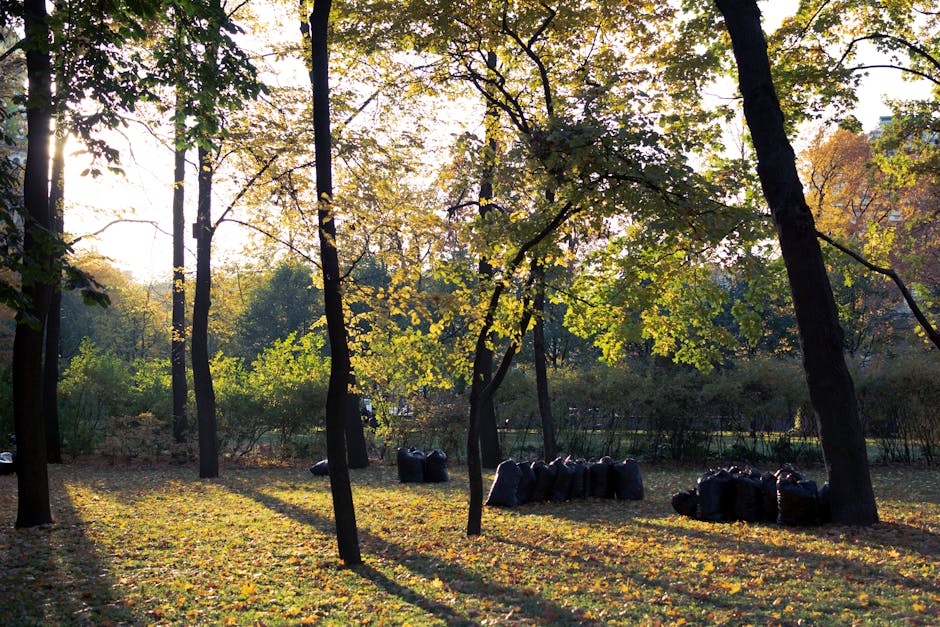
Another useful tip is to think seasonally. After a windy spell, a garden can look tidy from the patio yet still hide a dozen little jobs in the borders. In spring, it's often leaves and soft growth. In autumn, it can be branches, soaked foliage, and a lot of volume. Timing the clear-up with the season helps the job feel less relentless.
And a slightly human tip: put a kettle on before you start. It sounds daft, but a five-minute tea break halfway through a muddy job is often what keeps morale intact.
Common mistakes to avoid
Most garden waste headaches come from a handful of avoidable mistakes.
- Mixing waste streams: green waste, rubble, plastic, and household waste should not be treated as one big pile.
- Leaving waste in damp heaps: it becomes heavier, messier, and harder to sort later.
- Ignoring access problems: narrow side paths, locked gates, or uneven ground can slow down collection if nobody flags them early.
- Underestimating the volume: a hedge trim can look small until it's all on the ground. Then it's a different story.
- Forgetting sharp or hazardous items: old tools, broken glass, rusty metal, and damaged fixings need careful handling.
Another common issue is trying to do everything in one rushed session. That can work if the job is tiny. But for anything bigger, a split approach is often better: sort first, remove second, and then do a final clean. Less drama. Fewer surprises.
And yes, it is very easy to keep telling yourself that one more bag will fit in the bin. Usually it won't.
Tools, resources and recommendations
You don't need a shed full of specialist gear, but a few simple tools make the work safer and cleaner.
- Heavy-duty garden sacks for leaves, cuttings, and lighter mixed waste.
- Pruning shears and loppers for reducing branch size before collection.
- Gloves with grip to handle thorny or damp material without tearing your hands to bits.
- A wheelbarrow or sturdy tub for moving waste from the back garden to the collection point.
- Broom, shovel, and stiff brush for the final clean-up.
For people managing larger clearance jobs, it can also help to look at wider service information, especially if the work overlaps with other spaces in the property. A service overview such as the company's services overview can give you a better sense of what sits alongside garden waste removal, while pricing and quotes guidance is useful if you're trying to budget sensibly before booking anything.
If you are arranging payment digitally, it is reassuring to understand how secure checkout and payment handling work. That kind of detail matters more than people think, especially when you're comparing providers and want a straightforward process.
Law, compliance, standards, or best practice
Garden waste is not something to treat casually. In the UK, waste should be handled by people and processes that follow the usual legal and environmental expectations for collection, transport, and disposal. You do not need to become a compliance expert yourself, but you should expect clear sorting, sensible documentation where relevant, and responsible downstream handling.
Best practice usually means:
- keeping green waste separate where possible
- avoiding contamination with household rubbish
- using safe lifting and loading methods
- preventing fly-tipping or informal dumping
- making sure materials go to suitable recycling or disposal routes
If a provider is serious about good practice, they should be able to explain how waste is treated after collection in plain English. No jargon, no vague hand-waving. Just a clear answer.
Safety also matters. Wet clippings can make surfaces slippery, thorny shrubs can scratch skin, and large branches can shift suddenly when lifted. If you want more reassurance on that front, it's worth reviewing insurance and safety information before you go ahead.
There's also a wider ethical point. Recycling is not only about compliance; it's about reducing avoidable waste. If a pile of garden material can be composted or repurposed rather than sent straight to disposal, that is the better outcome. Pretty simple, really.
Options, methods, or comparison table
People usually have three sensible options: manage the waste themselves, arrange a dedicated garden waste collection, or combine it with a larger clearance service. Each has a place.
| Option | Best for | Pros | Limitations |
|---|---|---|---|
| DIY disposal | Small, light loads | Low direct cost, full control | Time-consuming, lifting effort, transport hassle |
| Dedicated garden waste removal | Medium to large green waste jobs | Fast, cleaner sorting, less physical strain | May not suit heavily mixed waste without prior sorting |
| Combined clearance | Garden plus indoor or bulky items | Efficient for whole-property projects | Needs better planning and clearer waste separation |
For example, if you are clearing a garden after a long-neglected tenancy, a combined approach can be smarter than doing one job at a time. That is especially true if there are outdoor items, old furniture, or loft-stored clutter in the mix. A broader route such as furniture disposal in Hounslow or rubbish collection in Hounslow may fit better than treating every item as a separate mini project.
Case study or real-world example
Imagine a semi-detached home near Osterley Park after a windy month and a delayed spring tidy-up. The garden looks fine from the back door, but once you step outside, there's a thick layer of leaves under the shrubs, a stack of clipped branches by the fence, a cracked terracotta planter, and two old bags of soil that have been sitting there long enough to become part of the scenery.
The homeowner starts with good intentions, then realises the branches are awkward, the bags are heavier than expected, and the planter is too broken for reuse but too bulky for a normal bin. Instead of forcing it into household waste, they sort the load into three clear groups: clean green waste, reusable items, and mixed rubbish. The green waste goes separately, the planter and broken plastic are kept apart, and the whole job is cleared in one go.
The result is not dramatic. That's the point. The garden just feels reset. Paths are open again. The smell of damp leaves is gone. And the weekend can be spent enjoying the space rather than dragging sacks around. Truth be told, that quiet relief is what people are usually paying for.
In nearby parts of Hounslow, similar jobs often connect with wider life changes: moving home, preparing a property for market, or clearing up after a family gathering. If you are in that stage, articles like local advice on moving to Hounslow and purchasing property in Hounslow can help you see how outdoor clearance fits into the bigger picture.
Practical checklist
Use this before any garden waste collection. It saves time, and a bit of embarrassment too.
- Separate green waste from general rubbish.
- Remove stones, tools, wire, and other non-organic items.
- Cut large branches down to manageable lengths.
- Keep sacks no heavier than you can safely move.
- Check access routes, gates, and parking space if needed.
- Look for hidden items under leaves and in borders.
- Set aside anything you want to reuse or donate.
- Make sure broken glass or sharp metal is handled separately.
- Plan around weather if possible, because wet waste is a pain.
- Do a final sweep of the area after collection.
If your garden clear-out is part of a larger life event, you may also find it useful to think about family items or inherited belongings with care. In that situation, approaches to a relative's items can be a thoughtful companion read.
Get a free quote today and see how much you can save.
Conclusion
Osterley Park garden waste removal and recycling in Hounslow is ultimately about doing a practical job well. Clear the clutter, separate the waste properly, and aim for the best possible recycling route. That approach saves time, supports a tidier property, and makes the whole process feel less like a chore and more like a reset.
The key is not perfection. It's sensible sorting, safe handling, and making a choice that fits the size and condition of the waste. Whether you're dealing with a modest seasonal tidy or a full garden overhaul, a little planning goes a long way. And once the space is clear, you notice the difference straight away. The garden breathes again.
Sometimes that's all you need: one cleared corner, one open path, one quieter Saturday. Not bad at all.

 Tipper Van - Rubbish Removal and Waste Disposal Prices in Hounslow, TW3
 Luton Van - Rubbish Removal and Waste Disposal Prices in Hounslow, TW3

