

Hounslow Council fines for rubbish dumping how to avoid
Posted on 10/09/2026

Hounslow Council Fines for Rubbish Dumping: How to Avoid Costly Mistakes
If you have ever stood beside a pile of bags, a broken chair, or a battered mattress and wondered what happens next, you are not alone. The issue of Hounslow Council fines for rubbish dumping how to avoid matters because one small disposal mistake can turn into an expensive, stressful headache very quickly. And truth be told, most people do not mean to dump rubbish illegally; they are usually trying to clear space fast, save money, or simply get on with life.
This guide explains what counts as dumping, why councils issue fines, how to stay on the right side of the rules, and the practical steps that make rubbish removal safer, cleaner, and far less risky. You will also find examples, a checklist, and a simple comparison of disposal options so you can make a sensible decision without faffing about.
Why Hounslow Council fines for rubbish dumping how to avoid Matters
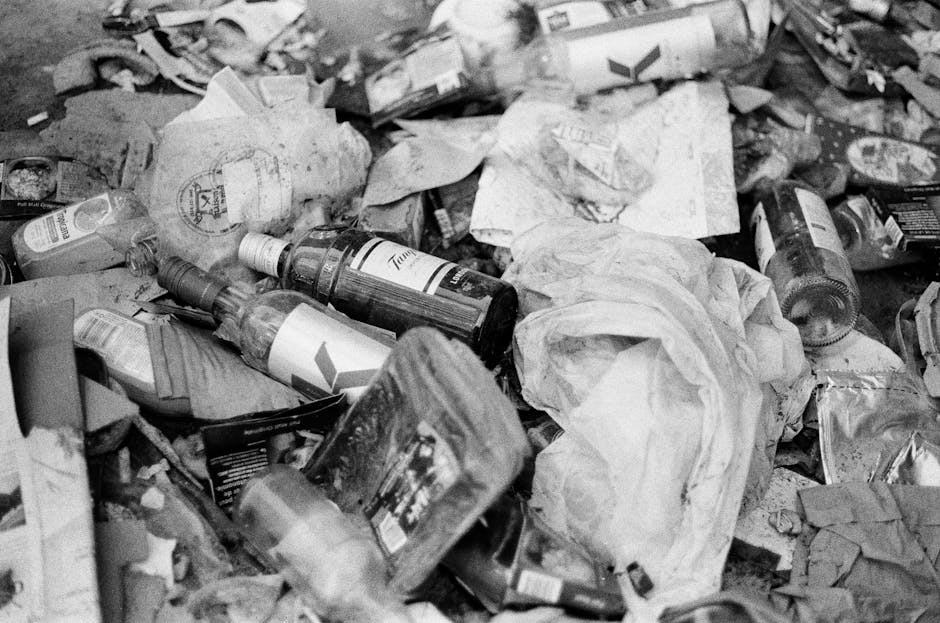
Illegal dumping is not just an eyesore. It can block pavements, attract pests, create hazards for children and pedestrians, and make a street feel neglected in a matter of hours. A single mattress dumped beside a hedge or a row of black bags left near a bin store can quickly become somebody else's problem, and then the enforcement trail begins.
For residents, landlords, tenants, shop owners, and even people clearing a relative's home, the risk is often less about bad intentions and more about poor planning. That is why this topic matters. Knowing how to avoid Hounslow Council fines for rubbish dumping helps you protect your budget, keep your address or business presentable, and avoid time-consuming disputes about who left what and when.
There is another angle too: reputation. If you run a shop, manage a rental, or organise an event, poor waste handling can make a place look chaotic. In a busy borough, with people coming and going, it only takes one careless disposal to create an impression that sticks.
Key takeaway: the cheapest rubbish decision is not always the safest one. A bit of planning usually costs less than a fine, a complaint, or a late-night scramble to clean up a mess.
How Hounslow Council fines for rubbish dumping how to avoid Works
In plain English, councils can act when waste is left in a place it should not be, or when rubbish is handed to the wrong person and later traced back. That might sound dramatic, but it happens more often than people expect. If waste appears fly-tipped, or if it is left beside a street bin, at the edge of communal land, or on the wrong side of a boundary, enforcement officers may investigate.
Here is the tricky bit: once rubbish is out of your hands, it does not mean it is out of your responsibility. If you gave waste to an unlicensed collector, failed to check the paperwork, or dumped items because collection was delayed, you can still end up dealing with the consequences.
To avoid that mess, you need a few things in place:
- clear ownership of the waste before it leaves your property
- a lawful disposal route
- proof that the collector or service is legitimate
- simple records such as receipts, booking confirmations, or photos
- careful handling of bulky, awkward, or special items
It sounds obvious once written down, but in real life people rush. The skip is full. The house move is tomorrow. The office clearance is on a Friday afternoon. Someone says, "just leave it there for now." That is where trouble starts.
If you are dealing with a renovation, it helps to read about Hounslow Council rules for skip permits and rubbish disposal before the waste piles up. The rules around access and placement can be the difference between a smooth job and a pointless fine.
Key Benefits and Practical Advantages
Following the proper disposal route is not just about avoiding penalties. It also makes the whole job easier.
- Less risk of enforcement action: you are far less likely to face a fine or a complaint if the waste goes where it should.
- Cleaner property presentation: no more bags sitting in hallways, alleys, or front gardens for days.
- Better time control: planned removal is usually faster than waiting for "someone to sort it later."
- Fewer disputes: useful when multiple people share responsibility, like landlords, tenants, or family members clearing a home.
- More predictable costs: avoiding fines, repeat trips, and emergency collections helps keep the budget sane.
There is a quieter benefit too: peace of mind. You know the rubbish is gone properly, not shifted into somebody else's problem. That matters more than people admit.
If you are clearing a home after a move or tenancy, the practical side can get messy fast. A useful companion read is these end-of-tenancy rubbish clearance tips, which can help you plan around the awkward bits such as timing, access, and leftover furniture.
Who This Is For and When It Makes Sense
This guide is useful for more people than you might think. It is not only for people who have already made a mistake. In fact, the best time to think about rubbish dumping fines is before the clutter begins to spread.
It is especially relevant if you are:
- moving home or moving out of a rented property
- clearing a loft, garage, shed, or storage space
- dealing with bulky waste after furnishing a home
- running a shop, office, or business that generates regular waste
- managing garden cuttings, soil bags, or outdoor clutter
- sorting a relative's belongings after bereavement or downsizing
- organising building or DIY waste after repairs
Some situations are straightforward. A few bags from a weekend declutter, for example, are easy enough to plan. Other situations are not. A fridge, sofa, old wardrobe, and a broken bed frame all need more thought. In those cases, the safest choice is usually to arrange a lawful collection rather than trying to improvise.
If you are dealing with a larger property clear-out, it may help to review house clearance support in Hounslow and loft clearance options so you can match the disposal method to the amount and type of waste.
Step-by-Step Guidance
Here is the practical part. If you want to avoid fines and keep things moving, follow a simple process rather than making it up as you go along.
- Identify the waste type. Separate general rubbish, bulky furniture, garden waste, building waste, and anything that may need special handling.
- Sort what can be reused, donated, or recycled. Not everything has to go in the bin. Some items can be passed on, reused, or broken down for recycling.
- Check your storage and collection options. Decide whether the waste will fit in your household bins, needs a scheduled collection, or requires a dedicated clearance.
- Use a lawful disposal route. That may be council collection, a licensed private collection, or another legitimate method.
- Keep proof. Save booking details, receipts, and any confirmation that the waste was collected by the right service.
- Do not leave waste in common areas. Stairs, hallways, pavements, kerbsides, and shared access routes are often where problems begin.
- Act quickly. The longer waste sits around, the greater the chance of complaints, pests, or an awkward neighbour conversation.
One practical example: if you are replacing old furniture, do not drag the sofa to the front path "for collection tomorrow" unless you are certain about the timing and the service. It is exactly the sort of half-step that leads to a phone call nobody wants.
For bulky items, a better route may be a planned collection. You can look at furniture disposal in Hounslow or a broader rubbish collection service if the job includes mixed waste rather than one item.
Expert Tips for Better Results
Here are the habits that make the biggest difference in the real world, not just on paper.
- Photograph the load before it leaves. It sounds fussy, but it helps if there is later confusion about what was removed.
- Ask how the waste will be handled. A reputable service should be able to explain sorting, disposal, and recycling in plain terms.
- Never assume a skip can go anywhere. Parking, access, and permit issues are common, especially on tighter roads.
- Be cautious with bargain offers. If the price is unusually low, ask what is included and what happens after collection.
- Plan around timing. A collection booked for after work may not be enough if rubbish must be moved before bins are emptied or neighbours arrive home.
- Keep access clear. Narrow alleys, locked gates, and blocked driveways can slow things down and create avoidable hassle.
To be fair, most rubbish problems are boring logistics problems dressed up as emergencies. Once you treat them that way, they get easier to solve. Measure, sort, book, confirm, done.
If your property has tight access, low railings, or limited parking, you may find ideas for narrow streets and access problems surprisingly useful. A lot of collections go wrong for simple physical reasons, not legal ones.
Common Mistakes to Avoid
Most fines and complaints come from a short list of predictable mistakes. The good news is that they are avoidable.
- Leaving bags beside communal bins: if bins are full, do not assume a pile next to them is acceptable.
- Handing waste to an unverified collector: you need confidence that the person taking it will dispose of it properly.
- Mixing hazardous items with general rubbish: batteries, chemicals, and certain electronics often need separate handling.
- Assuming someone else will move it: in a shared building, "not mine" does not always solve the problem.
- Booking too late: last-minute plans can lead to rushed decisions and shortcuts.
- Forgetting bulky items need space: a mattress or wardrobe can block access and attract attention if left out too long.
- Not reading service terms: you would be surprised how many people skip this and then act shocked when extra charges appear. Human nature, I suppose.
There is a specific mistake many people make with household clearance: they clear the easy stuff first and leave the awkward items for "later." Later often becomes the wrong day. If that sounds familiar, common mistakes when booking rubbish collection is worth a look before you finalise anything.
Tools, Resources and Recommendations
You do not need complicated software or specialist kit to stay compliant. You just need a few practical tools and good habits.
- A simple inventory list: write down what is being removed, especially for bigger clear-outs.
- Phone photos: before, during, and after pictures help keep everyone on the same page.
- Basic measuring tape: useful for furniture, access routes, and skip placement planning.
- Calendar reminders: handy for collection times, tenancy handovers, or builder deadlines.
- Receipts and booking confirmations: store these somewhere easy to find.
For larger jobs, it also helps to think in categories. Garden waste is not the same as office junk. Mattresses are not the same as broken plasterboard. A mixed load can often be simpler than trying to squeeze everything into one awkward plan.
That is where service pages and related guides can be useful. If you are dealing with outdoors mess after pruning or seasonal clean-up, you may want to compare your options with garden waste removal in Hounslow. If you are getting rid of desks, filing, or redundant equipment, office clearance support may fit better.
Law, Compliance, Standards, or Best Practice
This part needs careful wording. Waste disposal in the UK is governed by legal duties and local rules, and those rules can change or be interpreted differently depending on the exact situation. So rather than pretending every case is identical, the safest approach is to follow recognised best practice: use lawful disposal routes, avoid leaving waste in public or shared spaces, and keep evidence that your rubbish was handed to a legitimate service.
In practice, good compliance usually means:
- checking whether a skip or container needs permission before placement
- avoiding any waste handover that cannot be traced
- keeping domestic, garden, and construction waste separate where needed
- making sure a clearance provider explains its process clearly
- not assuming that collection from the kerb or outside a property is automatically allowed
This is also where insurance and safety matter. If rubbish is heavy, sharp, dusty, or awkwardly stacked, it can create a risk not only of enforcement trouble but also of injury. A proper service should be able to work safely and handle access carefully. If you want more detail on that side, insurance and safety information is a good place to understand the basics.
Best practice is simple, really: do not take shortcuts with waste. The short route is often the expensive route.
Options, Methods, or Comparison Table
Different waste situations need different disposal methods. Choosing the wrong one is how people end up with clutter, delays, or enforcement issues.
| Option | Best for | Strengths | Watch-outs |
|---|---|---|---|
| Household bin disposal | Small everyday rubbish | Convenient and familiar | Not suitable for bulky or excess waste |
| Council or scheduled collection | Planned domestic waste | Clear process, predictable timing | May not suit urgent or unusually large loads |
| Skip hire | Big clear-outs and renovation waste | Large capacity, useful for projects | Placement and permit considerations can apply |
| Licensed rubbish clearance | Mixed, bulky, or time-sensitive waste | Hands-off, quick, practical | Requires careful provider choice and quoting |
For a simple sofa or mattress, a proper collection can save a lot of lifting and guesswork. For a builders' load, a skip or specific construction waste solution is often more realistic. If you are tackling renovation debris, builders waste disposal in Hounslow is the more sensible route than trying to patch it together in household bins.
Case Study or Real-World Example
A typical situation goes like this. A family clears a spare room before a move. There is an old wardrobe, a few bags of clothes, broken shelving, and an exercise bike that nobody has used in years. The first instinct is to leave the pile outside the front of the house overnight because the collection is "due soon."
That is where the risk starts. The weather turns, the bags split, and by morning bits of cardboard are drifting along the pavement. A neighbour thinks it looks like fly-tipping. Not ideal.
Instead, the smarter route is usually:
- sort the items into keep, donate, recycle, and remove
- book a proper collection or clearance slot
- keep items inside or in a secure spot until collection day
- make sure bulky pieces are moved out only when the team is actually arriving
- save the booking reference and payment confirmation
That same approach works for a mattress near Hounslow Central Station flats, a shop refresh on the high street, or a garden clear-up after a wet weekend. Different setting, same principle: avoid leaving waste hanging around.
If you want a related example for bulky items, mattress pickup options and bulky rubbish disposal guidance are both useful for understanding how larger items are usually handled without drama.
Practical Checklist
Use this quick checklist before you move any rubbish out of sight.
- Have I separated general waste from bulky, garden, or building waste?
- Do I know exactly where the rubbish is going?
- Is the collector or service properly verified?
- Have I kept proof of booking or collection?
- Am I leaving anything on a pavement, verge, stairwell, or shared area?
- Could any item need special handling, such as a mattress, fridge, paint, or broken glass?
- Is the timing safe and realistic for the space and access available?
- Have I checked for extra costs or permit issues?
- Would a clearance service be simpler than trying to move everything myself?
- Have I told anyone else involved what is being removed and when?
One small tip from experience: if you are unsure, do not "just leave it for now." That phrase causes more household waste problems than people realise.
Conclusion
Avoiding Hounslow Council fines for rubbish dumping comes down to a few simple habits: sort your waste early, use a lawful disposal route, keep records, and never leave rubbish in places where it can become someone else's problem. Once you strip away the stress, the task is less about luck and more about making a clear plan.
Whether you are clearing a flat, dealing with garden waste, managing office junk, or tidying up after renovation work, the safest approach is usually the most organised one. A bit of forward planning saves money, time, and the grim feeling of having to explain a mess that should never have been there in the first place.
If you are comparing disposal options, don't rush it. Check the load, check the timing, and choose the route that keeps your property tidy and compliant. That's the real win.
Get a free quote today and see how much you can save.


 Tipper Van - Rubbish Removal and Waste Disposal Prices in Hounslow, TW3
 Luton Van - Rubbish Removal and Waste Disposal Prices in Hounslow, TW3

