

Access problems narrow streets Hounslow rubbish removal fixes
Posted on 07/07/2026

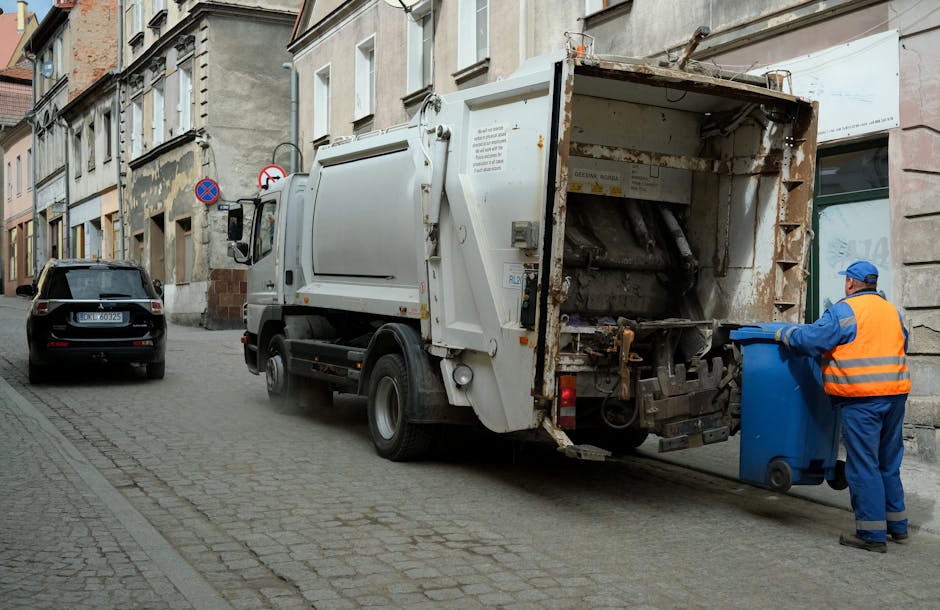
Narrow roads, parked cars, tight front gardens, awkward mews entrances, and a van that is just a little too large for the lane: it all adds up. If you have ever tried to sort rubbish removal in Hounslow and realised the access is the real problem, you are not alone. In many parts of the borough, the job is less about lifting waste and more about getting to it safely in the first place.
This guide explains Access problems narrow streets Hounslow rubbish removal fixes in plain English. You will see what causes access issues, how professional clearance teams work around them, what to plan in advance, and how to avoid the usual headaches. We will also cover practical examples from homes, shops, flats, and renovation jobs, because let's face it, the same problem can look very different depending on the street.
If you want to understand the best approach before booking a collection, this article will help you make a calmer, smarter decision. And yes, there are a few ways to make the whole thing a lot less stressful than it first appears.
Why Access problems narrow streets Hounslow rubbish removal fixes Matters
Access issues change everything. A straightforward collection can become a slow, awkward, expensive job if the waste cannot be reached easily or the truck cannot park anywhere sensible. In Hounslow, that is especially relevant around terraced streets, older estates, converted houses, and busy mixed-use roads where parking is already under pressure.
There is also a safety angle. When access is cramped, the temptation is to carry bulky items further than you should, squeeze through doors at odd angles, or move heavy loads around parked vehicles. That is where backs get strained, walls get scuffed, and neighbours start looking out of windows with that particular expression that says, "What is going on down there?"
From a customer point of view, the reason this matters is simple: if you plan the access correctly, rubbish removal becomes faster, cleaner, and usually better value. If you do not, the job can get delayed, or the crew may need to adjust the method on arrival. That is not ideal for anyone, especially if you have a time-sensitive move, end-of-tenancy deadline, or building work to finish.
For many people, the issue is not waste volume. It is the route to the waste. And that distinction is the key to solving the problem properly.
It also helps to think ahead about the type of property. A top-floor flat with a shared stairwell has very different constraints from a shop on a narrow high street or a house with a side return that is barely wide enough for a wheelbarrow. If you are comparing service types, browsing the services overview can help you match the job to the right kind of clearance approach.
How Access problems narrow streets Hounslow rubbish removal fixes Works
Good access planning starts before anyone lifts a bag. A proper rubbish removal team will usually assess the property layout, the street width, parking situation, stair access, item size, and whether waste needs to be carried through a building or moved from the rear. That assessment shapes the method.
In practical terms, the fix often involves one or more of the following:
- using a smaller vehicle or a truck-and-transfer approach
- parking at the nearest legal and safe point, then hand-loading waste
- bringing extra staff for a longer carry distance
- breaking down bulky items on site where safe and appropriate
- collecting in stages to avoid blocking a narrow access route
- timing the visit to avoid peak parking pressure
Sometimes the work is as much about sequence as strength. For example, if a sofa will not clear the hallway in one piece, it may be dismantled carefully at the property. If garden waste is trapped behind a narrow side passage, the team may move it through the house only if that is sensible and agreed in advance. If not, another route or removal plan is chosen. Simple, but not always easy.
For bulky items, especially in tight streets, a practical clearance can feel a bit like a chess game. Every move matters. The main aim is to remove waste efficiently without creating damage, complaints, or avoidable cost.
When access is especially tricky, it helps to be honest about the likely effort involved. That means describing the property clearly when arranging collection and checking expectations around loading distance, stairs, parking, and item weight. If you want to understand how pricing can shift when access is awkward, the page on pricing and quotes is a sensible place to start.
Key Benefits and Practical Advantages
Fixing access problems properly is not just about convenience. It changes the whole quality of the clearance. Here are the main advantages.
Less disruption on the day
When the route is planned in advance, there is less stopping, less re-positioning, and fewer surprises. That matters on narrow streets where one badly parked van can throw everything off by ten minutes or more. Or twenty. Time adds up quickly.
Lower risk of damage
Walls, bannisters, door frames, shared hallways, and nearby vehicles are all vulnerable when people are carrying awkward items through tight spaces. A better access plan reduces the odds of knocks and scrapes. Nobody wants to explain a fresh dent in a neighbour's car, to be fair.
Cleaner removal process
Well-managed access tends to mean cleaner loading, less mess left behind, and a more controlled route from property to vehicle. That can be a big help in residential streets where litter or spillage will be noticed straight away.
Better cost control
Some access problems are unavoidable. But if they are explained early, the team can bring the right number of people, the right vehicle size, and the right amount of time. That usually prevents avoidable delays and repeated visits. And repeated visits, as anyone knows, are rarely the cheapest option.
More suitable for local property types
Hounslow has a mix of houses, flats, office spaces, shops, and older properties with unusual layouts. A flexible rubbish removal approach fits that reality far better than a one-size-fits-all method.
If your waste includes old chairs, wardrobes, or other large items that are difficult to turn in a narrow hallway, it can be useful to look at furniture disposal in Hounslow as part of your planning. The same logic applies to general clutter, where a broader rubbish collection service may be the simplest route.
Who This Is For and When It Makes Sense
This kind of solution is useful for anyone facing a difficult approach, but some situations come up again and again.
- Homeowners on narrow residential streets who need to move bulky waste without blocking traffic
- Tenants clearing out a flat before checkout, especially if stairwells are tight
- Landlords and letting agents managing fast turnarounds between occupiers
- Shops and offices on busy roads where loading space is limited
- Builders and decorators dealing with skips that are not practical or permitted on-site
- Families handling estate or loft clearances where items need to pass through narrow internal routes
The need often becomes obvious after one look at the property. A basement flat with a shared entrance. A terrace with no drive. A shopfront on a road where the loading bay is always occupied. A loft clearance where the only access is a staircase that seems to have been designed by someone with a sense of humour.
If you are in the middle of a move, it may also help to read local advice on moving to Hounslow and purchasing property in Hounslow, because access issues are often part of the wider property picture rather than a one-off annoyance.
Step-by-Step Guidance
Here is the most practical way to deal with access problems before a rubbish removal visit.
- Measure the obvious bottlenecks
Check gate widths, hallway turns, stair landings, lift sizes, and the space between parked cars and your entrance. You do not need engineering-level precision. Just enough to know what will and will not fit.
- Identify the item types
List anything bulky, heavy, fragile, or awkwardly shaped. A mattress is different from a wardrobe, and a builder's bag is different from broken fencing. The collection plan changes accordingly.
- Explain the street conditions clearly
Tell the provider about parking restrictions, one-way access, timed bays, school-run congestion, or very tight turning points. This is the bit people sometimes under-share, and then everyone is surprised on arrival. Bit of a classic, really.
- Decide whether items need dismantling
Some pieces are easier and safer to move in sections. If dismantling is needed, ask who will do it and whether there are any limits. Not every item should be taken apart, and not every team should be asked to improvise on the spot.
- Check the hand-carry distance
If the vehicle cannot park right outside, note how far items must be moved. A short carry is one thing; a long walk down a road with multiple kerbs and a flight of steps is another entirely.
- Clear the route before the crew arrives
Move smaller obstacles, unlock gates, and make sure shared entrances are accessible. In real life, this saves more time than almost anything else.
- Confirm safety details
Ask how the team will protect surfaces, handle heavy objects, and manage loading in cramped conditions. It is a fair question, not being fussy.
- Keep a backup plan
If traffic is bad or a neighbour's car blocks the only usable space, know what the alternative is. Sometimes a ten-minute delay is all it takes to keep the job smooth.
For building-related jobs, the same approach applies but with extra care around rubble, timber, plasterboard, and mixed waste. If that sounds like your project, the dedicated builders waste disposal in Hounslow page is worth a look.
Expert Tips for Better Results
After enough clearance jobs, a few patterns become very clear. The following tips save real time and stress.
Be specific about parking, not just "tight access"
"Hard to get to" can mean almost anything. Tell the team whether there is resident parking only, whether a van can stop briefly outside, or whether the nearest parking is around the corner. That level of detail matters.
Photographs help more than people think
A couple of clear photos of the street, doorway, stairwell, or bulky items can explain more than a paragraph of text. This is especially useful for awkward properties where the access path changes from front to rear.
Group the waste before collection if possible
When items are already grouped in one accessible area, the crew can work faster and more safely. It is especially useful for loft clearances, office clear-outs, and end-of-tenancy jobs where clutter is spread across several rooms.
Choose the right timing
Early morning or off-peak windows are often easier for narrow streets. Fewer cars, fewer pedestrians, fewer interruptions. On some roads, that alone can make the difference between a smooth job and a stressful one.
Think about the building, not just the items
A bulky wardrobe might be the obvious issue, but the route out of the property may be the real problem. Low ceilings, tight bends, shared corridors, and old staircases can all change the plan.
If you want a cleaner, more transparent process overall, it can also help to read about insurance and safety and how a provider handles customer protection. That kind of detail is easy to skip, but it matters when access is awkward.
And one small but useful note: if you are in a hurry, do not hide the complications hoping they will disappear. They will not. They tend to reappear the moment the van arrives.
Common Mistakes to Avoid
Most access-related problems are predictable. That is the annoying part. The good news is they are also avoidable.
- Underestimating parking restrictions - even a few minutes of searching for space can affect the whole schedule.
- Forgetting about shared access - flats, terraces, and converted buildings often need neighbour-friendly planning.
- Not mentioning bulky items separately - one mattress is manageable; a mattress, wardrobe, and filing cabinet may need a different approach.
- Assuming the crew will dismantle everything - always check what is included.
- Leaving the route cluttered - shoes, bins, boxes, prams, and plant pots can turn a tight path into a hazard.
- Booking too late - in busy areas, narrow access and timing pressure together can cause avoidable delays.
- Ignoring hidden access costs - long carry distances, extra labour, or return trips can affect the quote.
A common one, honestly, is people saying, "It should only take five minutes." Maybe. But access can turn five minutes into half an hour without much effort at all.
If you want to avoid unpleasant surprises, the article on hidden rubbish removal fees in Hounslow is a useful companion read.
Tools, Resources and Recommendations
You do not need specialist equipment to get started, but a few simple tools make the process easier.
- Measuring tape for gates, halls, stair landings, and item widths
- Phone camera to capture access points and bulky items
- Notebook or notes app to list parking limits, loading restrictions, and item details
- Basic gloves if you are moving smaller items before the crew arrives
- Flat-pack tools if dismantling furniture is sensible and safe
As for recommendations, a good rule is to choose the method that reduces handling, not just the method that sounds simplest. For example, if your old sofa will barely clear the corridor, sending in more muscle without a plan is not really the fix. Proper routing is.
For clearance types that involve domestic clutter, legacy furniture, or larger room-by-room decluttering, house clearance in Hounslow and loft clearance in Hounslow are both worth considering. For smaller mixed loads, waste clearance in Hounslow may be the cleaner fit.
If your project includes garden waste tucked behind side access, the page on garden waste removal in Hounslow may also be helpful. Narrow side returns and wet wheelie paths can be tricky, especially after rain. You know the sort of morning - a bit grey, damp, and mildly inconvenient before you have even started.
Law, Compliance, Standards, or Best Practice
When rubbish removal happens in tight streets or shared access areas, the legal and practical basics matter. You do not need to become a waste law expert, but you should expect the job to follow accepted UK waste-handling practice.
That usually means the waste carrier should be operating responsibly, the waste should be handled and transported safely, and the customer should be clear about what is being removed. In shared buildings, there may also be building rules about access times, noise, and use of communal areas. Those rules can be surprisingly important.
Best practice also includes keeping routes safe for residents, neighbours, and passers-by. On a narrow street, that means avoiding blocked pavements where possible, not leaving loose waste unattended, and being mindful of vehicles, prams, cyclists, and pedestrians. Common sense, really, but it needs saying.
If a clearance involves special items, mixed waste, or building debris, choose a provider who is open about process and safety. If you want a wider sense of the company's approach, the pages on about us, modern slavery statement, and recycling and sustainability can help you judge how seriously the wider operation is taken.
There is also a practical trust angle with policies. Things like terms and conditions, privacy policy, cookie policy, and payment and security should be easy to find and easy to understand. That does not solve a narrow lane, but it does make the service feel more trustworthy before anyone arrives on-site.

Options, Methods, or Comparison Table
Not every access problem needs the same answer. Here is a simple comparison of common approaches.
| Method | Best for | Strengths | Limitations |
|---|---|---|---|
| Standard van collection | Normal access, short carry distance | Fast and straightforward | May struggle on very narrow streets or restricted parking |
| Small-vehicle access | Tight roads, limited turning space | Easier to position, less street disruption | May need multiple loads |
| Hand-carry from parked vehicle | No direct parking outside | Flexible, practical for dense streets | More labour-intensive |
| Partial dismantling on site | Bulky furniture, awkward staircases | Helps items fit through tight routes | Not suitable for every item |
| Staged clearance | Large jobs with limited access windows | Reduces pressure and keeps the work orderly | Takes planning and sometimes more than one visit |
In a lot of real jobs, the answer is a blend of these methods rather than one perfect fix. That is normal. Good clearance work is often part logistics, part judgement, and part not making life harder than it needs to be.
Case Study or Real-World Example
Imagine a terraced house off a busy Hounslow road. The occupier has old furniture in the front room, cardboard from a recent move, and a few bags of mixed household rubbish in the hallway. The street is narrow, parking is limited, and there is usually a van blocking the nearest bay by late morning.
If the team arrives without a plan, the result is predictable: time spent waiting for space, a longer carry from the van, and awkward manoeuvres through a tight corridor. If one item is larger than expected, the crew may need to stop and reassess. Nobody enjoys that kind of stop-start day.
Now picture the same job handled properly. The customer sends a few photos before booking. The team knows the street access is tight, so they arrive with a vehicle that suits the road and enough people to manage the carry. The bulky wardrobe is assessed first, the route is cleared, and smaller items are loaded in sequence. The whole thing is calmer. Faster too.
That is the real value of planning for access problems. Not magic. Just fewer surprises.
A similar logic applies for shopfronts on busy roads, where opening hours and passing traffic matter. In those cases, the article on Hounslow High Street rubbish removal for shops offers useful context. For other time-sensitive jobs, same-day rubbish clearance delays and solutions can help set expectations.
Practical Checklist
Use this simple checklist before your clearance day.
- Have I measured gates, hallways, stair turns, and any tight corners?
- Have I described the parking situation clearly?
- Have I listed all bulky or heavy items separately?
- Do I know whether anything needs dismantling?
- Have I cleared the route from the waste to the exit?
- Have I warned neighbours or building management if needed?
- Do I know the likely hand-carry distance?
- Have I checked access times, loading windows, or site restrictions?
- Have I taken photos of the trickiest spots?
- Do I understand any extra cost linked to access difficulty?
Quick takeaway: the more awkward the street, the more important the planning. Access is not a side issue; it is usually the main issue. Get that right and the rest becomes a lot more manageable.
Conclusion
Access problems in narrow Hounslow streets can look daunting, but they are usually solvable with the right planning, the right vehicle, and a realistic approach to the property layout. The key is to treat access as part of the job, not an afterthought.
Whether you are clearing a flat, a house, a shop, or a renovation site, the best results come from clear communication and a method that fits the street in front of you. That is what turns a stressful pickup into an orderly one, and in a busy part of London, orderly is a small victory worth having.
To be fair, that is often what good rubbish removal comes down to: fewer surprises, less dragging things around in the rain, and a lot more confidence that the job will actually get done properly.
Get a free quote today and see how much you can save.
And if you are still weighing up the best route for your property, take a breath. A careful plan goes a long way, and even the tightest street can usually be handled with a bit of know-how and steady judgement.

 Tipper Van - Rubbish Removal and Waste Disposal Prices in Hounslow, TW3
 Luton Van - Rubbish Removal and Waste Disposal Prices in Hounslow, TW3

